
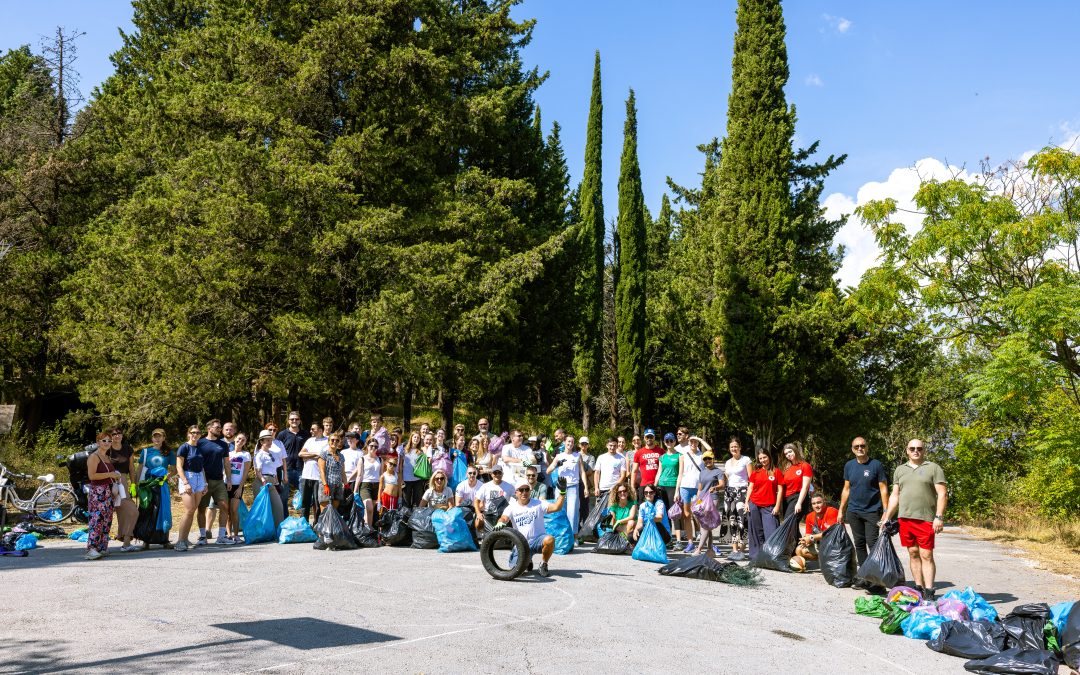
The Clean Up Montenegro network, founded by Zero Waste Montenegro in 2017, today brings together more than 40 organizations and initiatives with the shared goal of reducing waste pollution and encouraging citizens to actively participate in environmental protection.
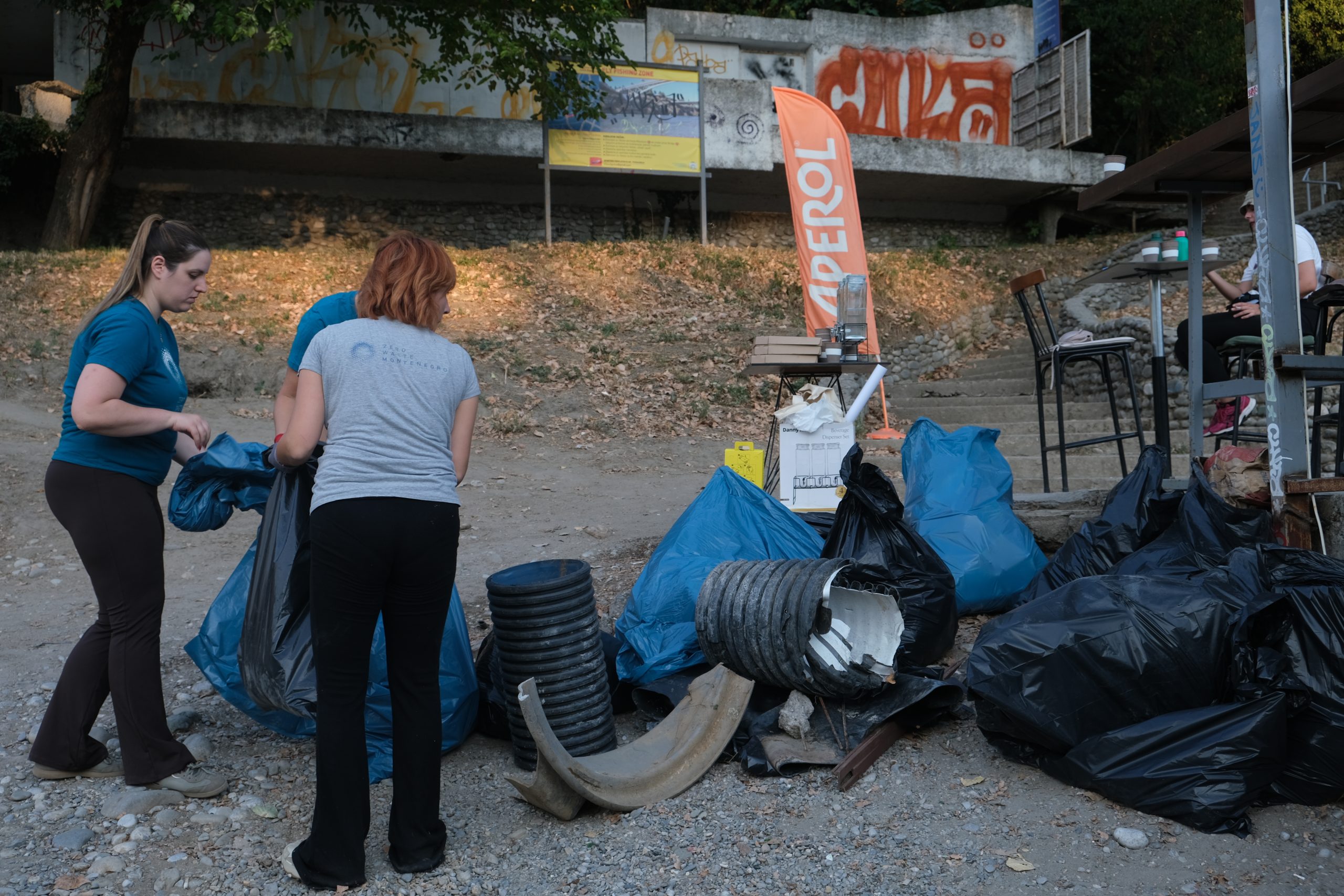
Alongside Zero Waste Montenegro, this year’s cleanup actions were organized and carried out with the participation of NGO Green Home, NGO Cellula, coordinator Boris Filip, NGO Trofta, the Environmental Club of “Risto Manojlović” Primary School, the Faculty of Maritime Studies in Kotor, and NGO Čista Gora, bringing together participants from all three regions of Montenegro. The actions resulted in more than one tonne of waste collected from coastal, riverside and urban areas.
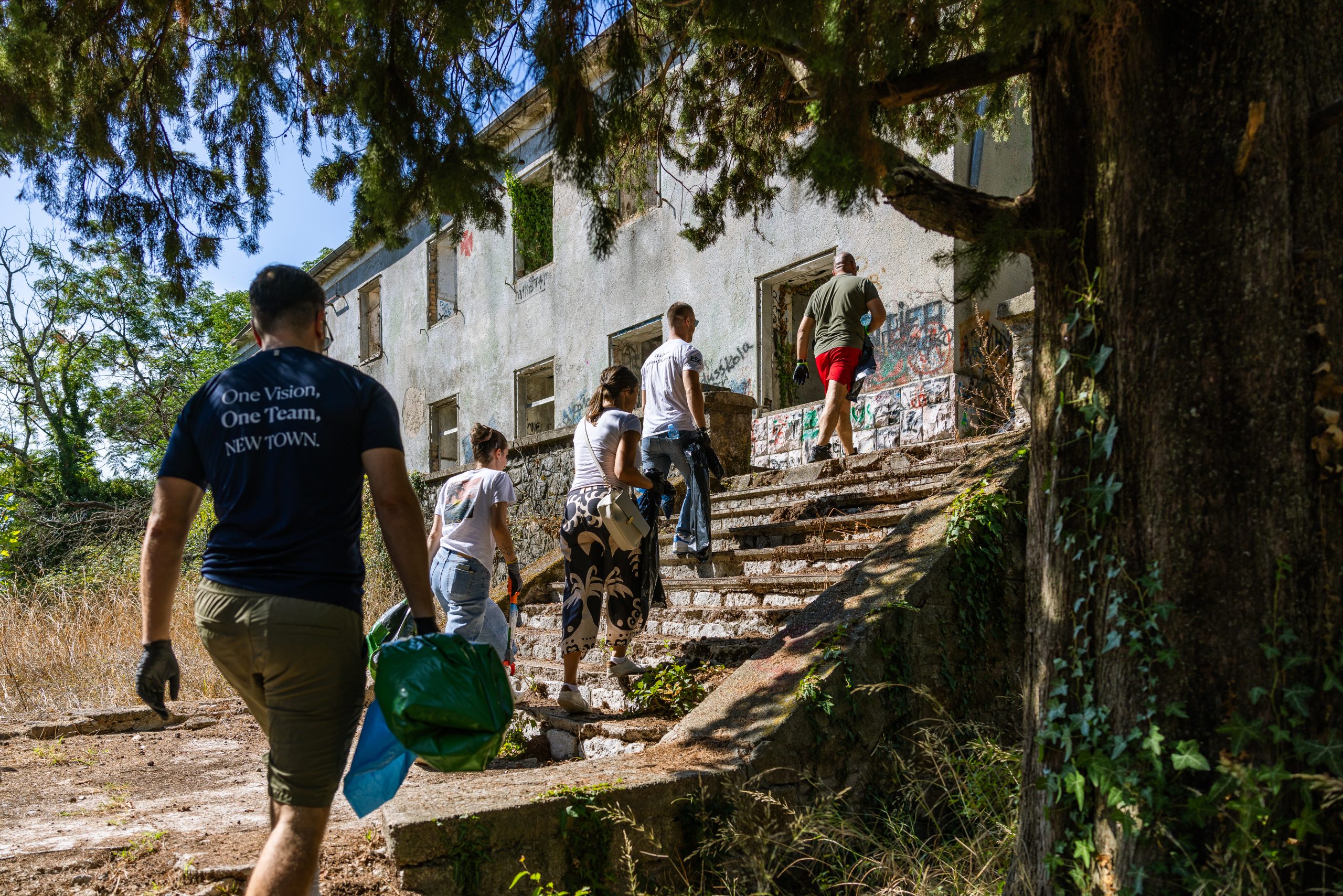
Throughout September, different locations across Montenegro were connected by the same idea: making the places we share cleaner and showing that caring for the environment starts right where we live. As part of this year’s Clean Up Montenegro initiative, volunteers, students, organizations, institutions and local communities joined forces in cleanup actions stretching from Podgorica, Kolašin and Žabljak to Budva, Tivat and Tuzi.
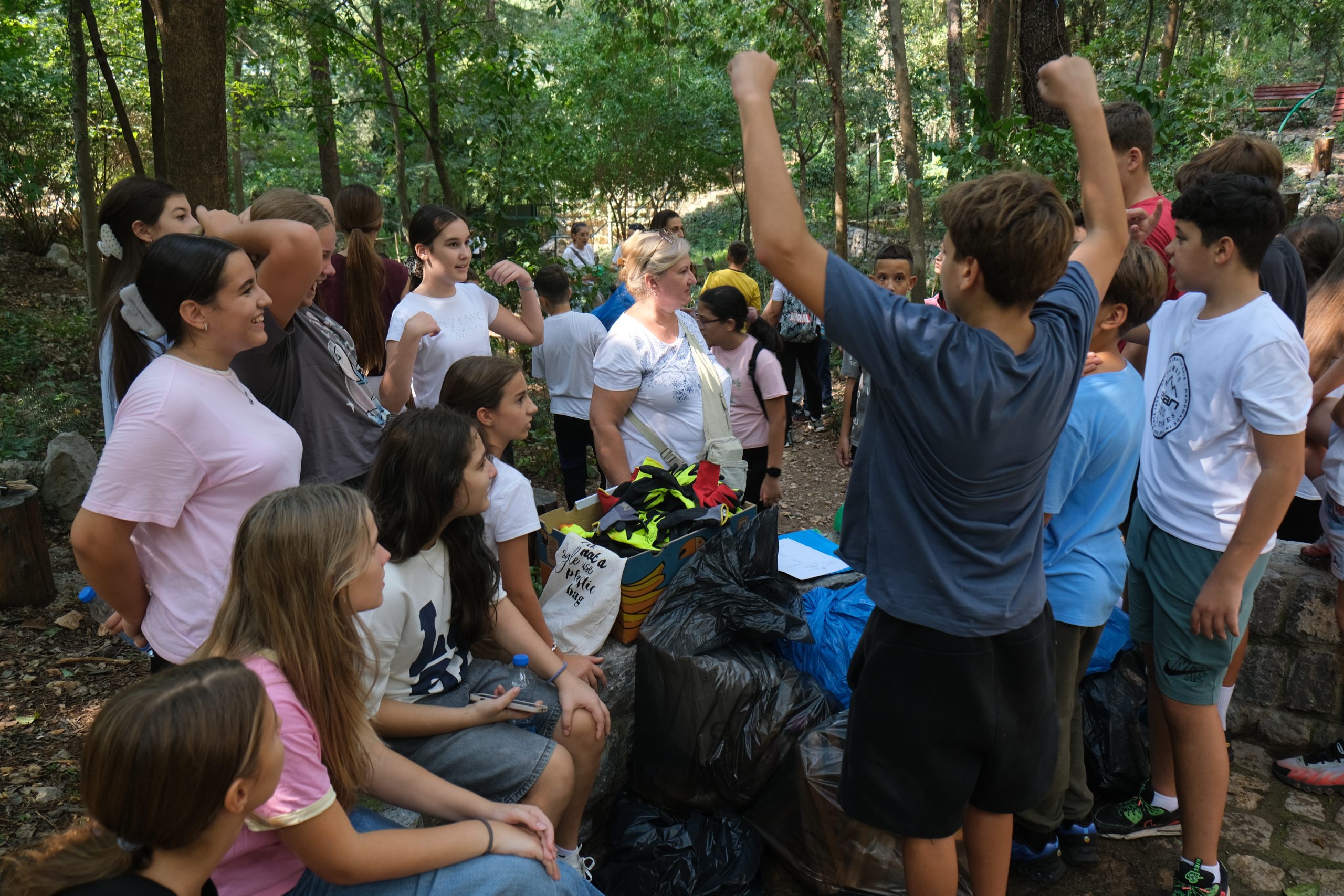
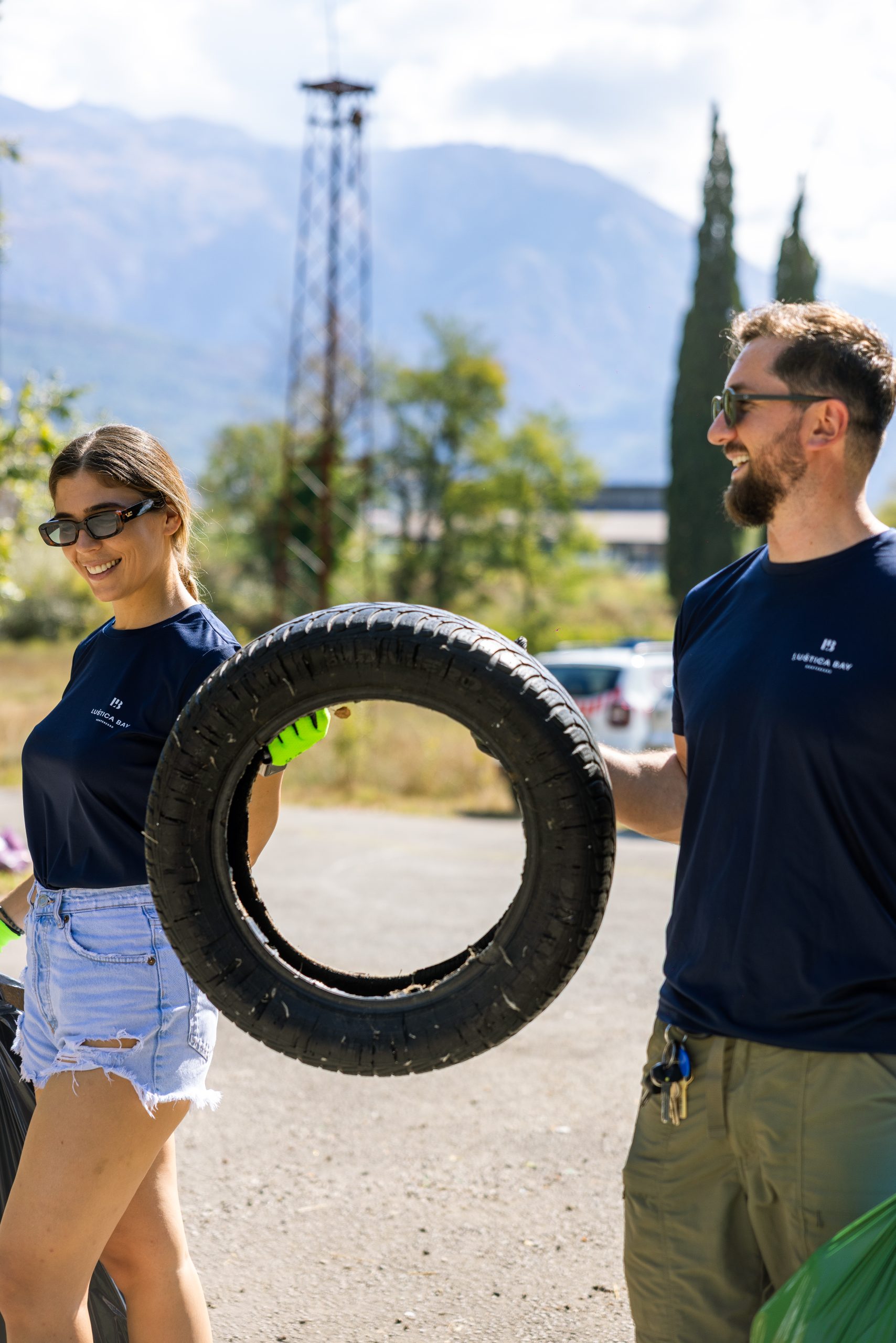
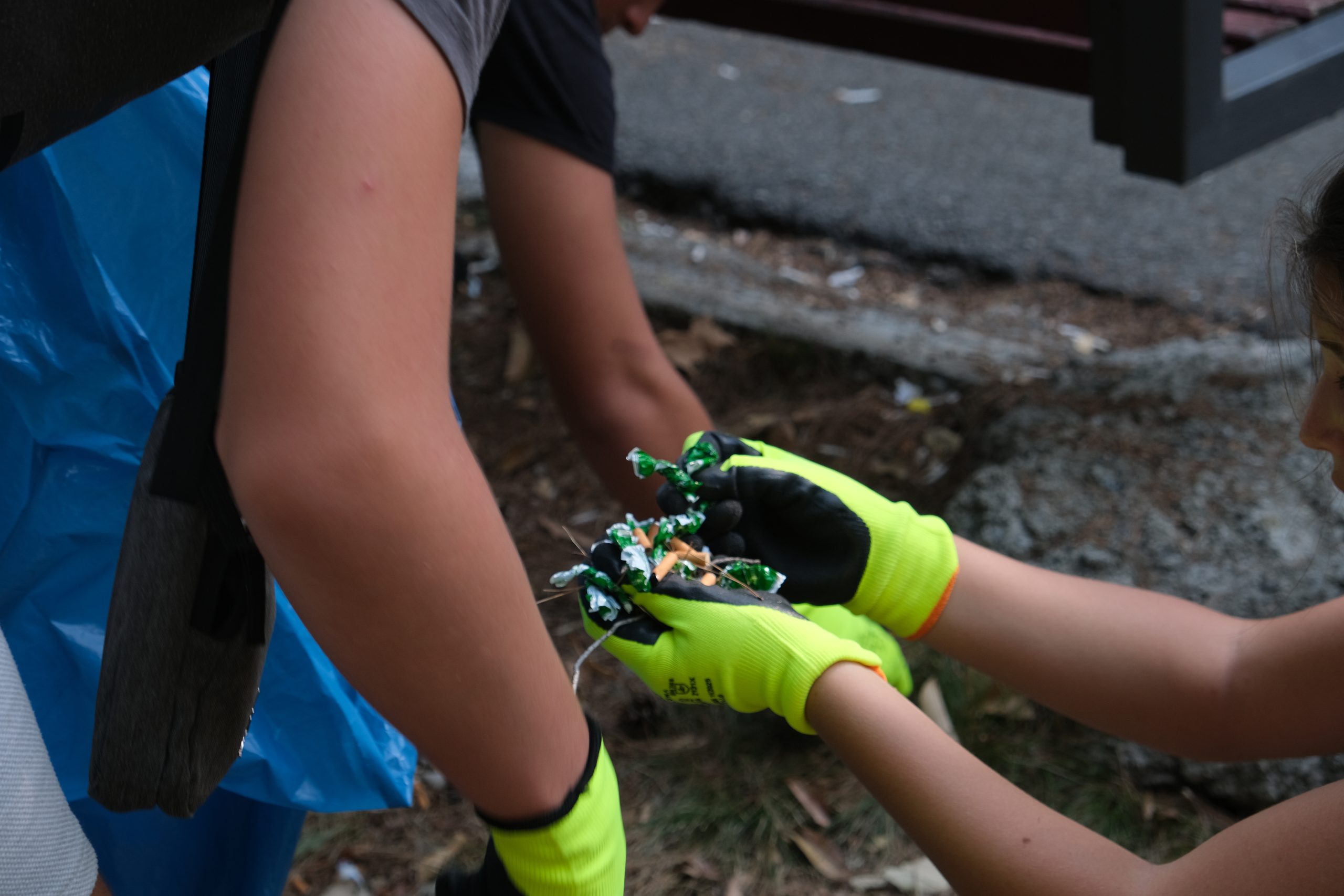
The people who initiated these actions, as well as those who decided to join them, gave this year’s campaign particular value. Participants included long-standing members of the Clean Up Montenegro network, local organizations and institutions, as well as children and young people. They cleaned coastlines and riverbanks, urban beaches and green spaces, with the support of local services, organizations and individuals.
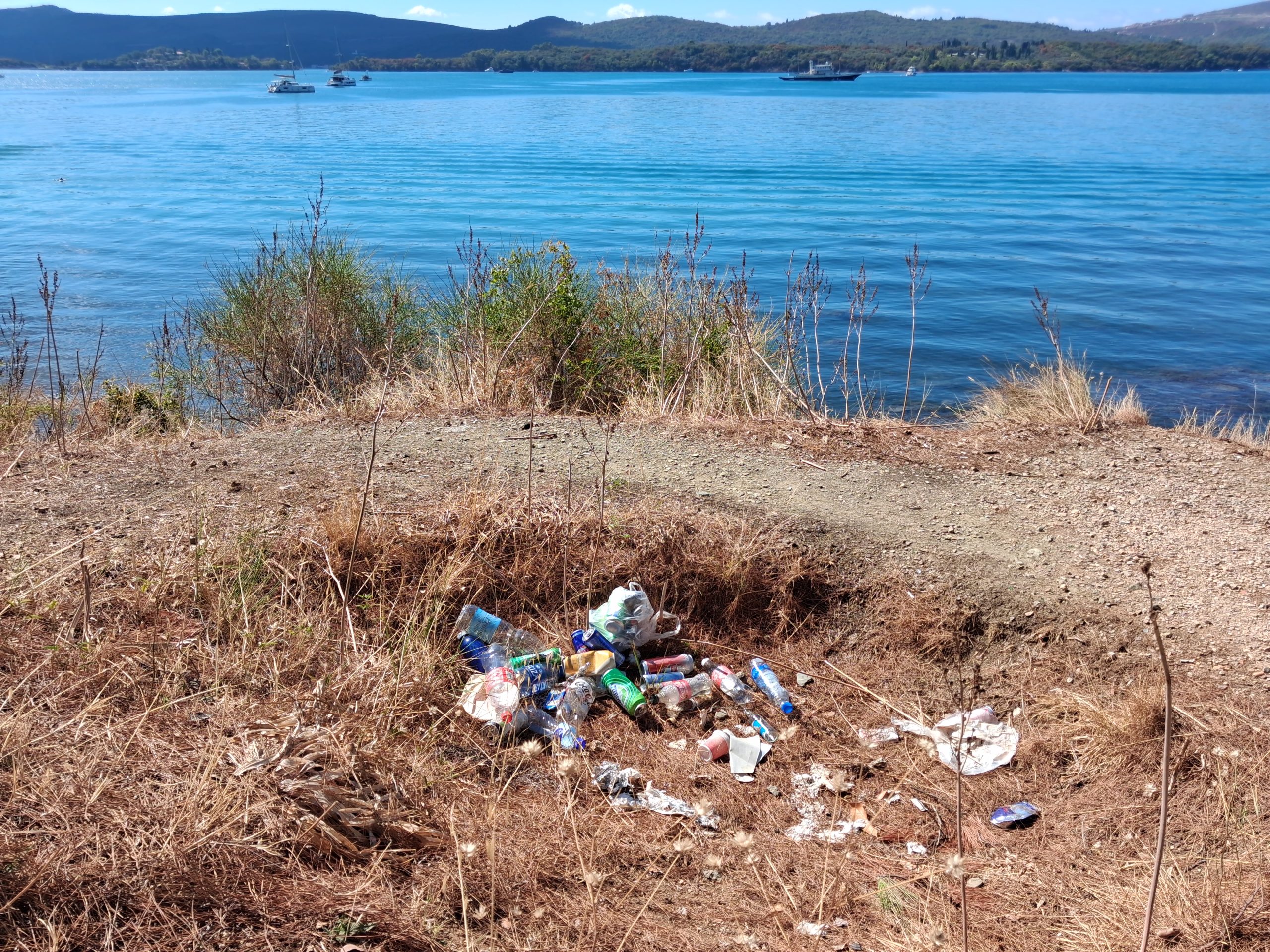
However, Clean Up Montenegro is about more than simply removing waste. When large numbers of bags of waste are collected from a relatively small area in just a few hours, it becomes much more apparent how much waste ends up where it does not belong on a daily basis. Through cleanup actions, we remove the consequences, but at the same time we raise a much more important question: how can we prevent these same locations from ending up in the same condition again?
“Whose rubbish is this, anyway?” – a question posed by the news portal Glas Zabjela back in 2021 in an article that also explores the Zero Waste approach. Even today, it captures the essence of the problem. It shifts our focus from the question of who will pick up the waste to who generates it and what each of us can do to reduce it. This is where Zero Waste begins: not only when we clean up what has already ended up in nature, but much earlier – through waste prevention, reuse, more responsible consumption and proper management of the waste that is still generated.
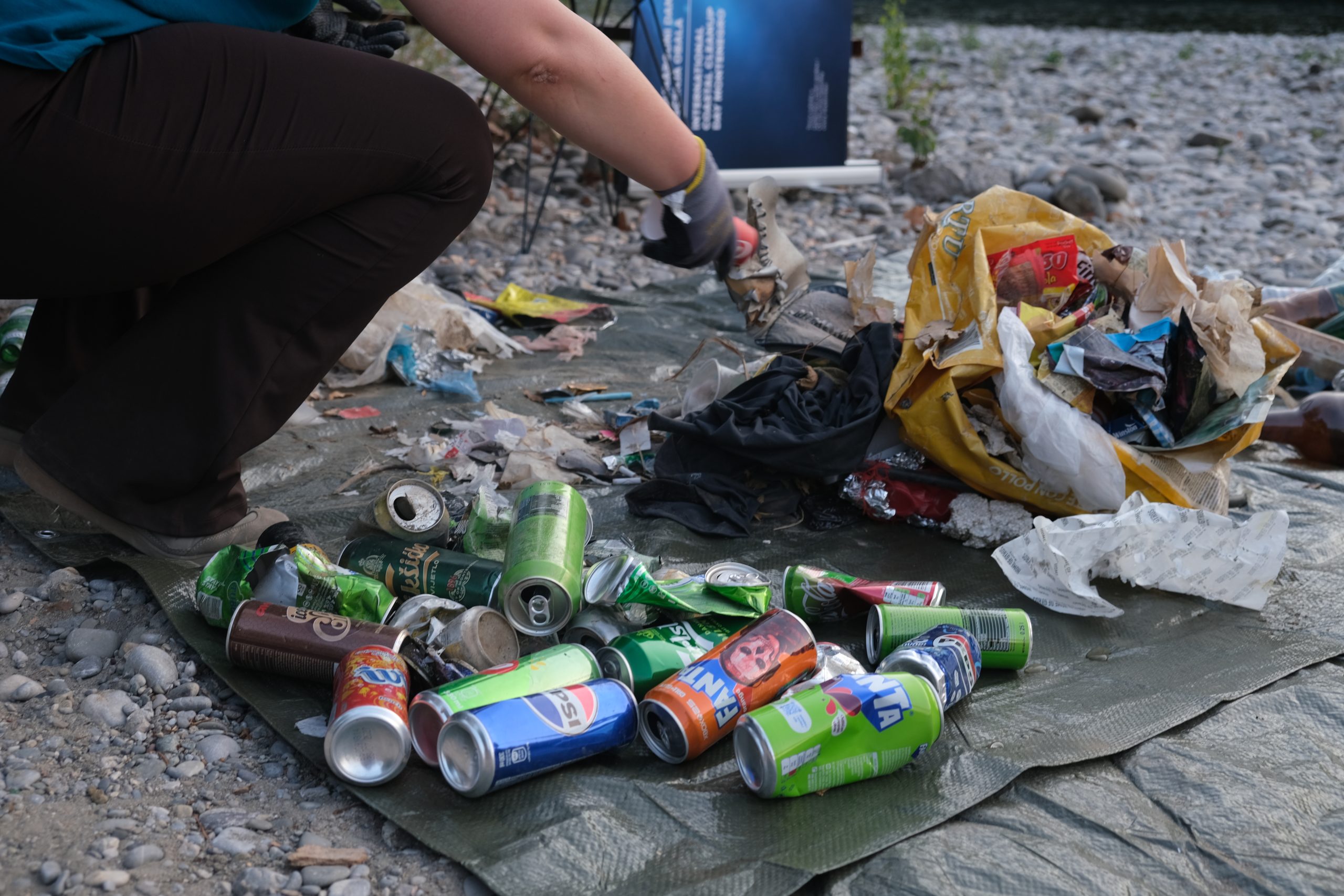
For years, as part of Clean Up Montenegro activities, we have also been conducting waste and brand audits in accordance with the Break Free From Plastic methodology, documenting the types of packaging and brands most commonly found among litter in the environment. This year, we are once again calling for the introduction of a mandatory national deposit return system (DRS) for packaging across Montenegro. The system should cover the entire country, with easily accessible return points, and be financed by producers and importers under the extended producer responsibility principle. The state should establish clear rules and ambitious targets, ensure transparent monitoring of results and provide effective oversight. Cleaning up the environment cannot permanently solve the problem unless we also establish a system that prevents waste from ending up in nature in the first place.
It is particularly encouraging to see children and young people among those who decide to join these actions. Their willingness to roll up their sleeves should also inspire adults. That is why these actions are also an invitation to everyone who has not yet taken part: let us not wait for someone else to clean the spaces we all use. A few hours of working together may not solve the waste problem, but they can clean up a location, start a conversation, change a habit and show how much we can achieve when we act together.
Ultimately, Clean Up Montenegro remains, above all, a call for shared responsibility. Let us not clean up nature just once a year, but work together to ensure that waste does not end up there in the first place.
Recent Comments